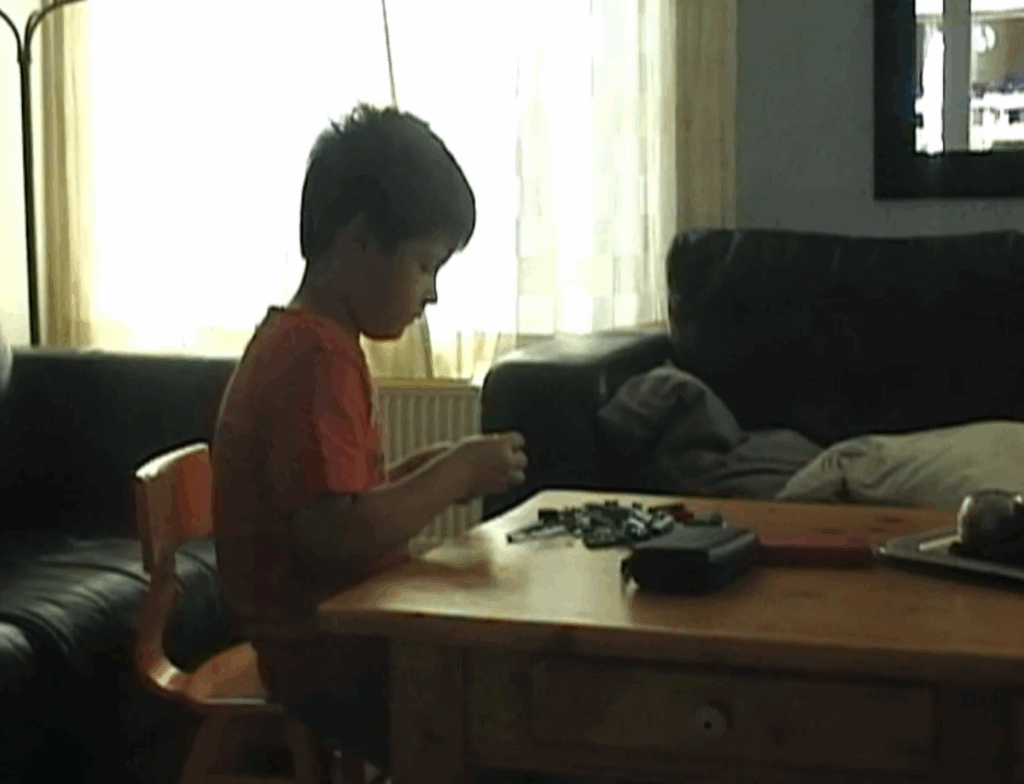
I feel like I am a designer my whole life already, always producing creative ideas, making stuff and iterating is what I do since I was playing with Legos as a kid. I have always wanted to be a designer and after having finished secondary school, I am on my way to become a professional designer.
As I was in my own world as a kid, I went outside these boundaries and developed into a more social person, who loves to listen to everyone’s stories. I enjoy spontaneous experiences and making spontaneous connections. I consider myself an adventurous person as I like to get out of my comfort zone. Being open minded to new challenges and making new connections. Trying out diverse ways of thinking to produce original ideas. I also developed into a more active person, having a sufficiently divided agenda so I do not have to sit still.
At Industrial Design TU/e I could develop myself and find out what kind of designer I want to become, and learn the skills needed to achieve this. ID offers me freedom to guide my own development as a designer and improve in my areas of choice.
Creativity & Aesthetics
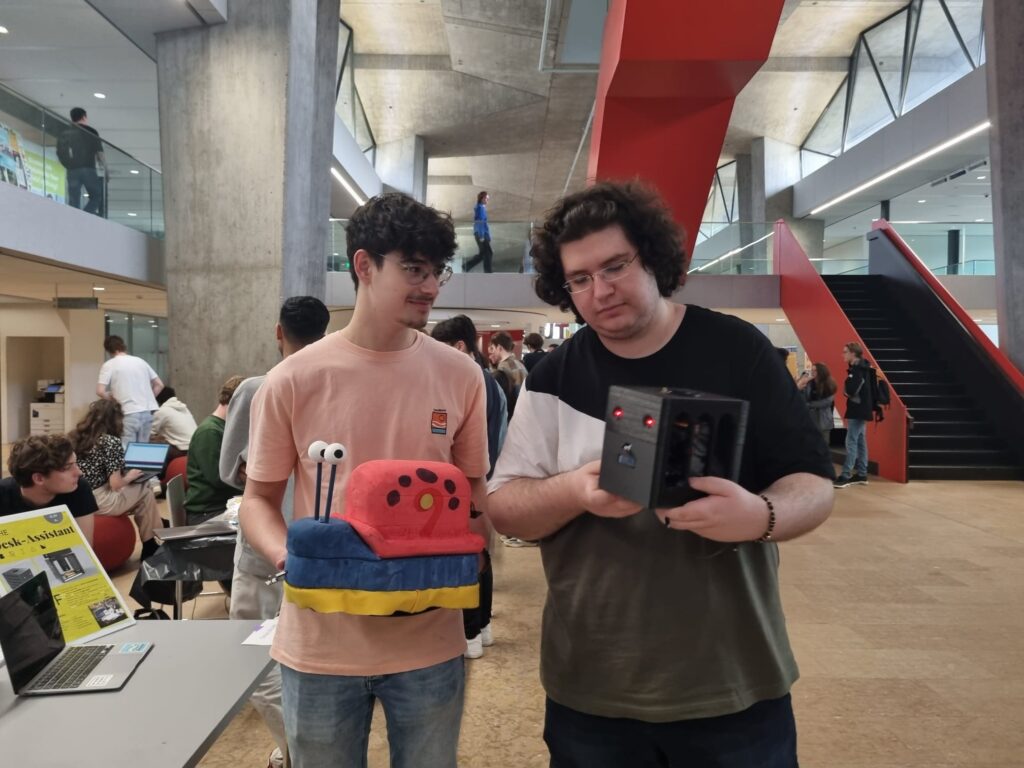
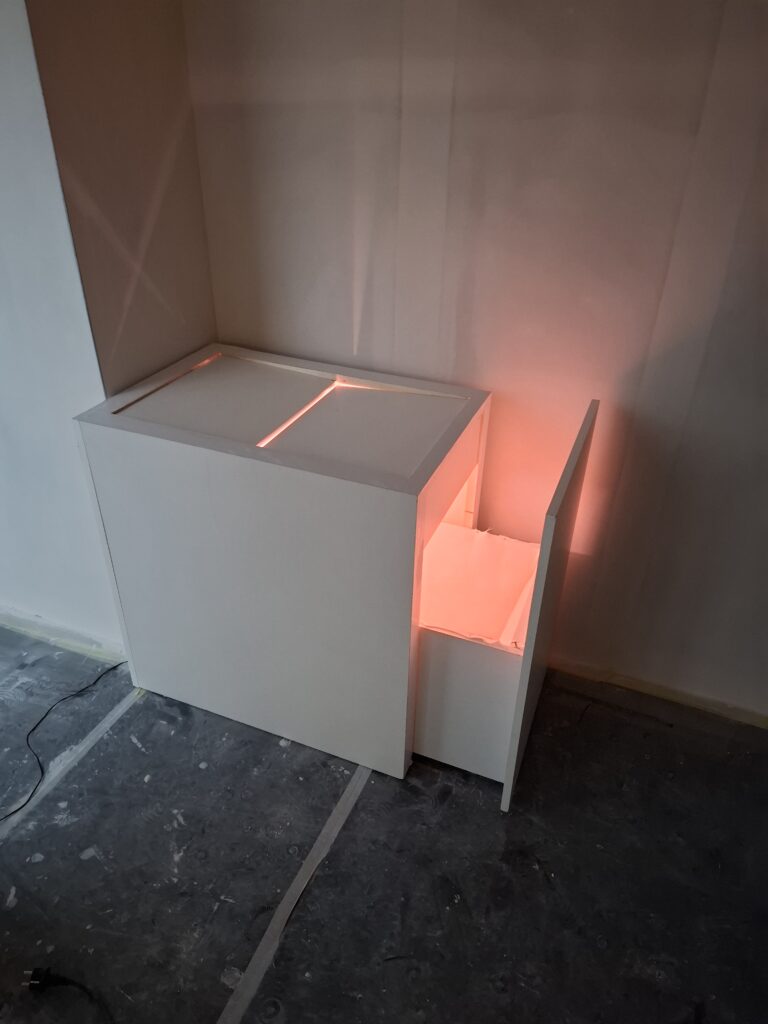
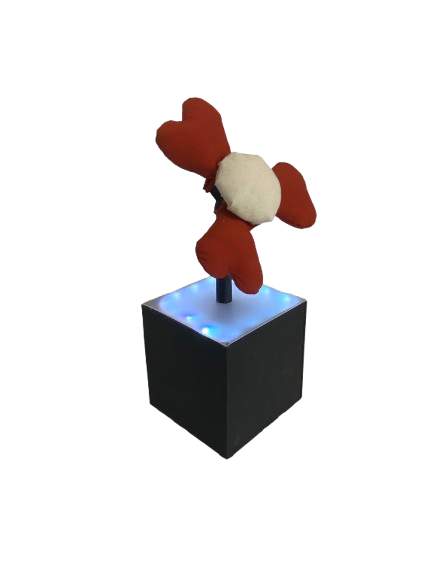
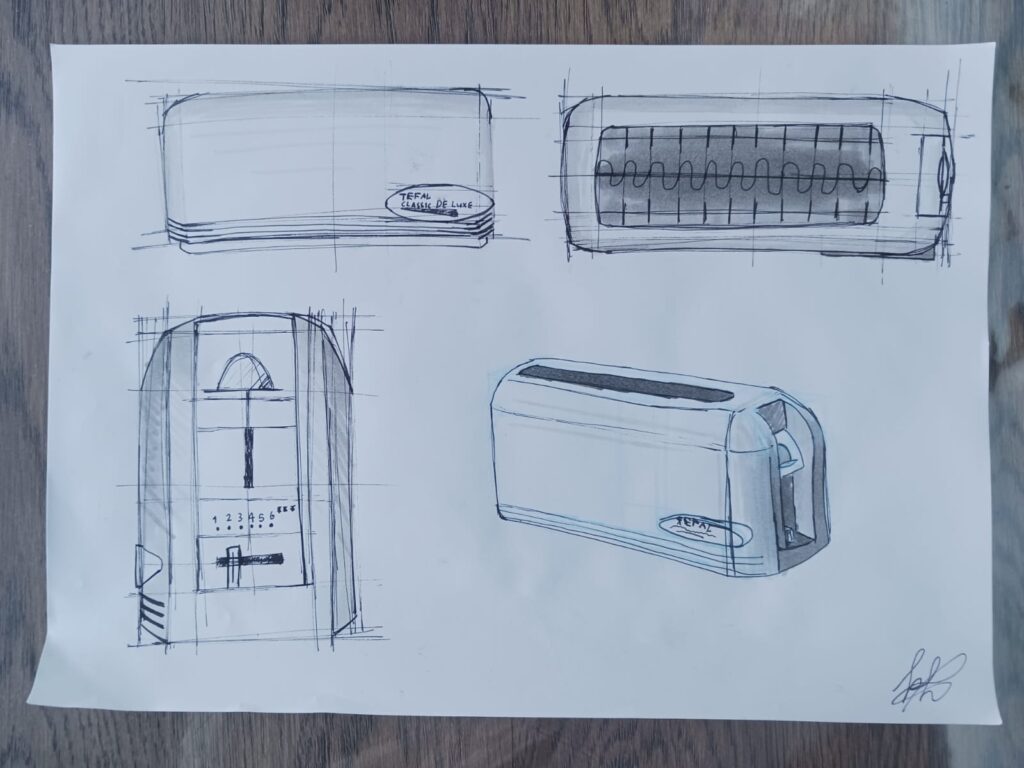
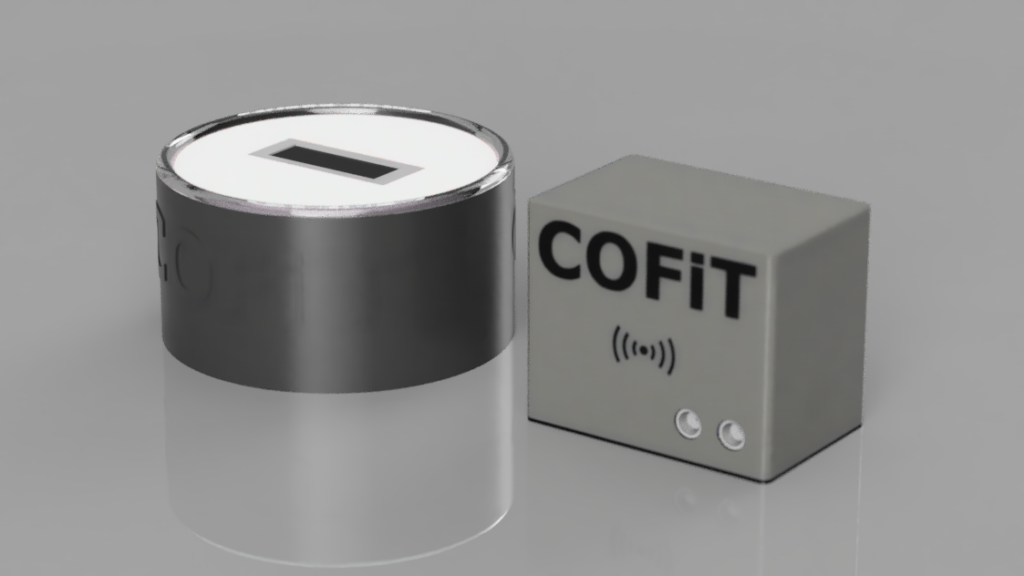
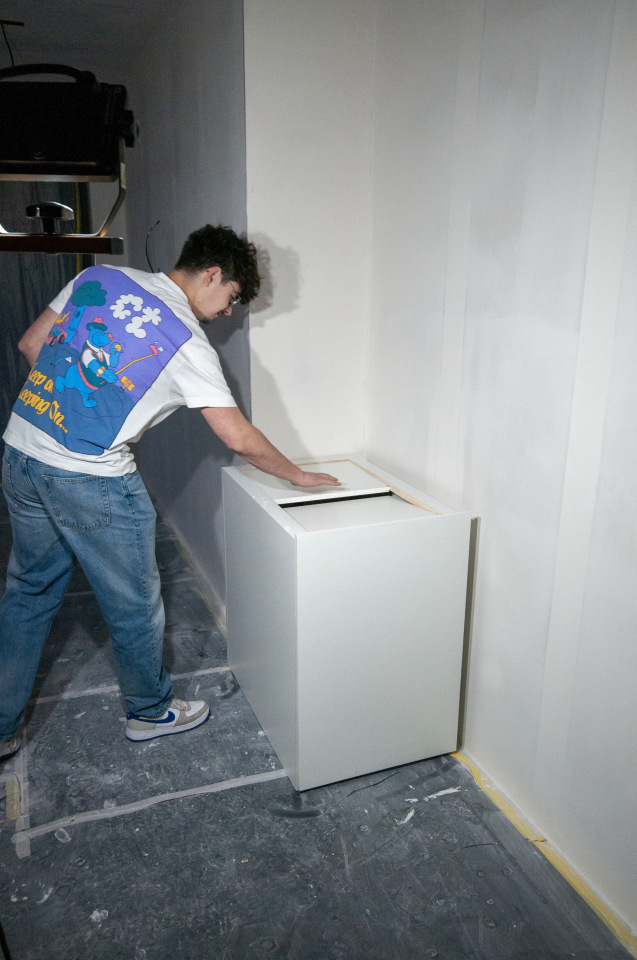
During my first two years at Industrial Design TU/e, I developed strongly within the Creativity & Aesthetics expertise area. In my first year, I learned to communicate ideas through sketching, physical prototyping, and 3D modelling, gaining hands-on experience with woodworking and digital fabrication. Courses such as creative programming helped me explore code as a visual and expressive medium. In my second year, this development deepened through the Aesthetics of Interaction course and my first CBL Project 3, where I applied theory to practice by designing a refined furniture prototype. This taught me how interaction, materiality, and small details together shape meaningful aesthetic experiences.
User & Society
User & Society has been a key focus throughout both years. In my first year, I learned the importance of empathy, ethics, and human-centered design through tools such as personas and scenarios, and became aware of how design can influence behaviour and perspectives. In my second year, the Design Research course strengthened this understanding by teaching me how to conduct in-depth qualitative research using probes and thematic analysis. Additionally, business-oriented courses provided insight into customer psychology and user journeys, reinforcing my belief that design should remain human-centered rather than driven purely by financial goals.
Math, Data & Computing
Within Math, Data & Computing, I developed analytical and structured thinking skills. In my first year, courses such as Calculus and Foundations of Data Analytics taught me problem-solving, data cleaning, visualization, and basic Python and SQL skills. I applied these in a project analyzing relationships between urban population and ozone concentration. In my second year, Design Research introduced me to qualitative data analysis, broadening my understanding of data by emphasizing objectivity, interpretation, and reflection alongside quantitative methods.
Technology & Realization
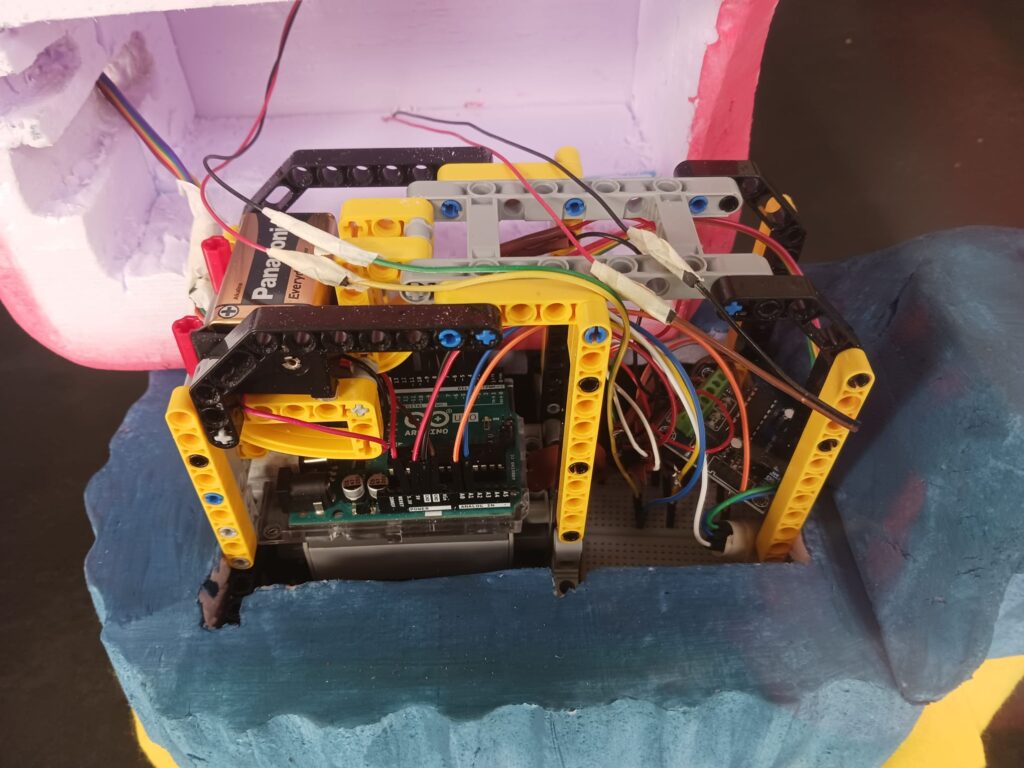
My Technology & Realization development was strongest in my first year, where I built a solid foundation with physics, electronics, and programming. I learned to apply principles such as mechanics and thermodynamics to material and structural decisions, and gained hands-on experience with Arduino in CBL Project 2 to build functional prototypes. In my second year, my technical development slowed due to redoing CBL Project 3, leading me to postpone technical electives. This was a conscious choice to maintain focus, with plans to further strengthen my TR skills in upcoming semesters. Nevertheless I applied my 3D modelling skills in the Multidisciplinary CBL project.
Business & Entrepreneurship
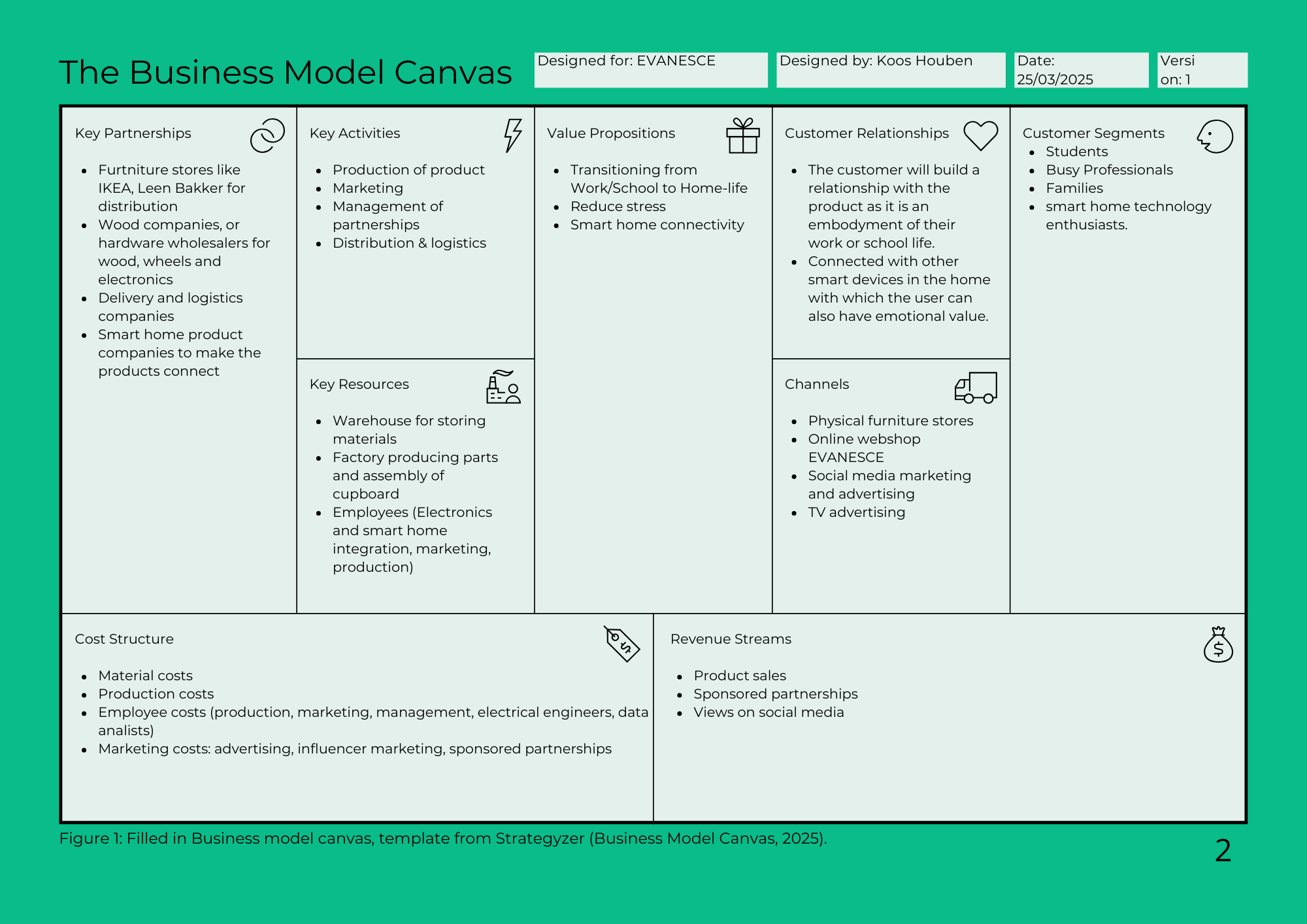
In my second year, I deliberately focused on developing within Business & Entrepreneurship. Through courses such as New Product Marketing, Introduction to Business Design, and Design Innovation Methods, I gained knowledge of branding, marketing psychology, competitive analysis, and strategic positioning. I learned how companies organize themselves, define goals, and differentiate in the market. These insights were applied in an innovative business strategy for Evanesce, where I explored an event-based approach, allowing me to connect design, strategy, and experience design while developing a broader systems perspective.
Design Research skills
Across both years, I built a strong foundation in design research. The Design Research course clarified research methods, processes, and the role of research within design. These skills were applied in my second CBL Project 3, which focused on sustainability in urban planning through research through design. While these projects strengthened my research capabilities and align with my vision of responsible design, they also helped me realize that I am most motivated by design-driven projects, where research directly informs making and hands-on experimentation.
Extra-curricular Activity
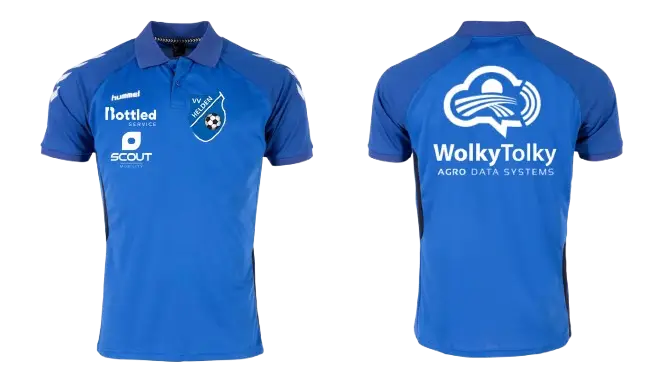
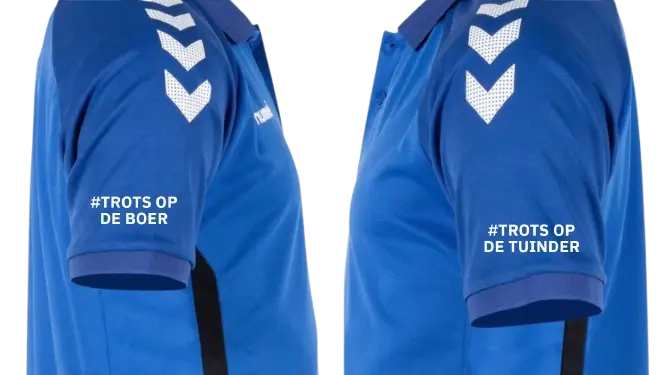
One of my extracurricular activities was arranging sponsors for my Football team. With this, I learned how to approach companies, manage stakeholders, make agreements with them, and communicate ideas with them and with the shirt printing company.